

Аrtem Mozgovoy
One of the rare yet incredibly valuable talents of any filmmaker is the ability to capture the moment, style, and mood of the audience for whom a big-budget blockbuster is being made.
Such films are extraordinarily difficult to create—not only because of the massive financial investment involved, but also because of the delicate balance between satisfying critics and appealing to general audiences who crave action and an engaging story.
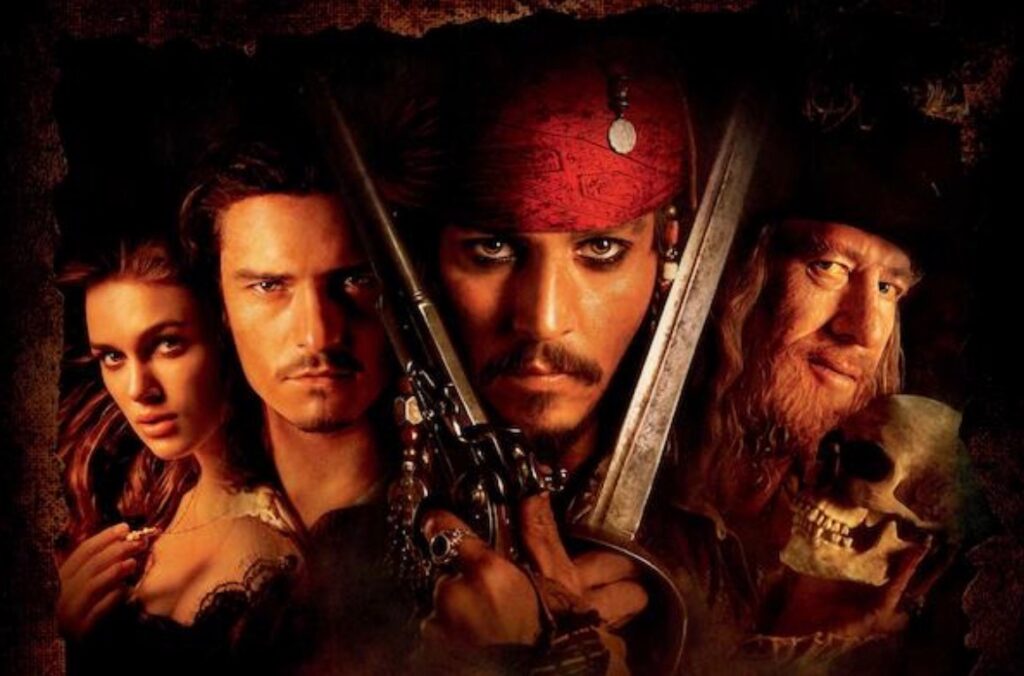
In the early 2000s, Gore Verbinski began developing a highly risky project for Disney: Pirates of the Caribbean, a film about mystical and thrilling adventures on land and at sea, set during the age of pirate terror and treasure hunting.
Eventually, the studio approved the production and allocated $140 million—a decision that seemed almost insane for a genre that had neither been (nor would later become) consistently popular with mainstream audiences, despite its strong presence in literature and other forms of art.
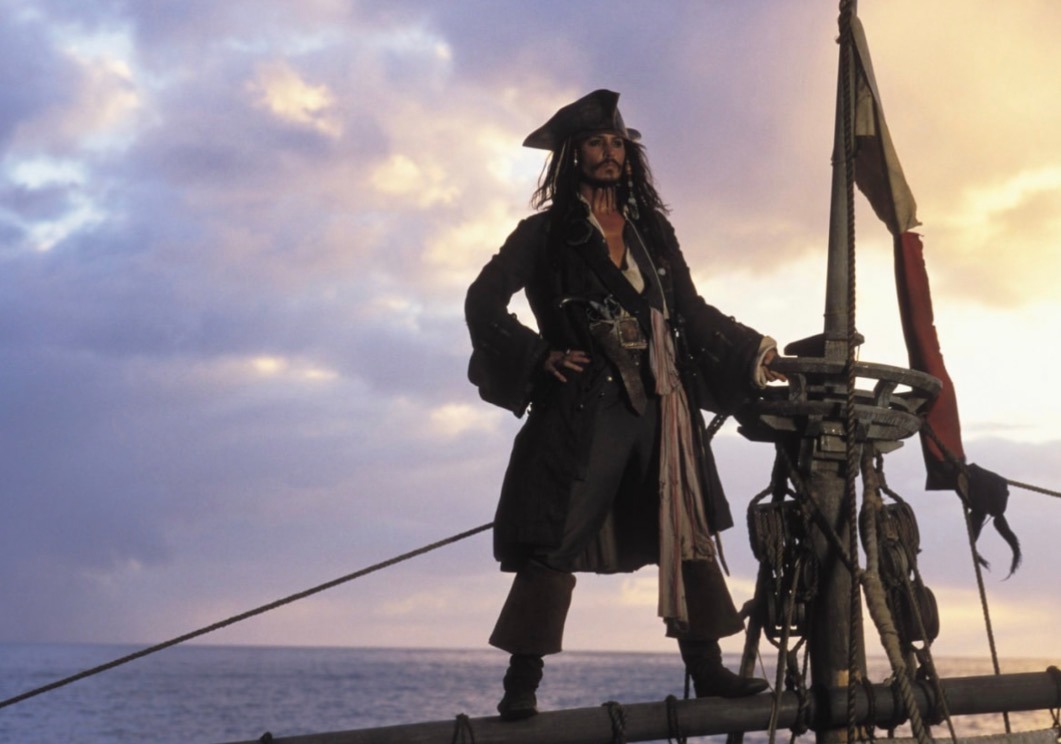
Johnny Depp, who played Captain Jack Sparrow, was not initially favored by the studio due to his unconventional interpretation of the character, while Orlando Bloom and Keira Knightley helped attract a younger audience. The film was released in 2003 and, quite unexpectedly, became a massive hit, grossing over $600 million worldwide.
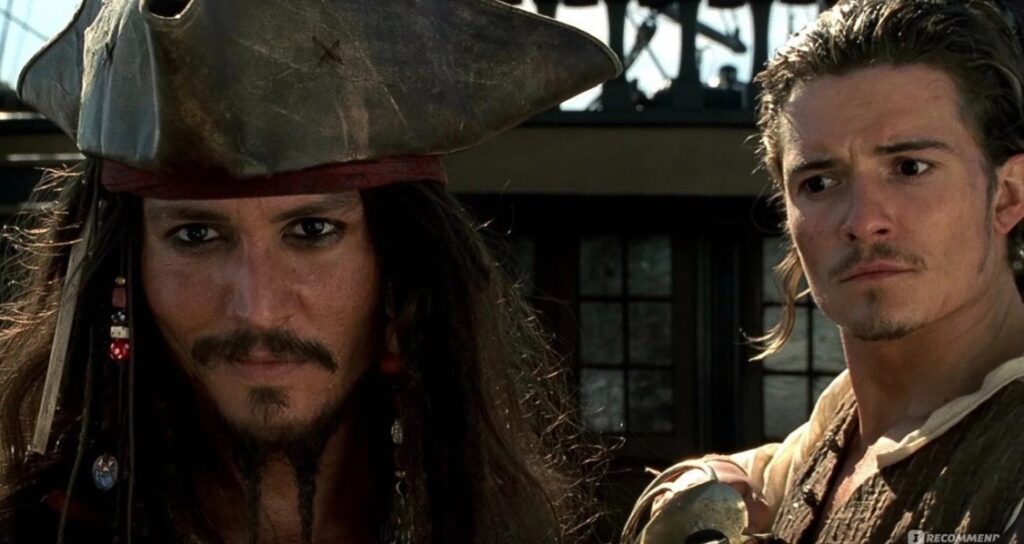
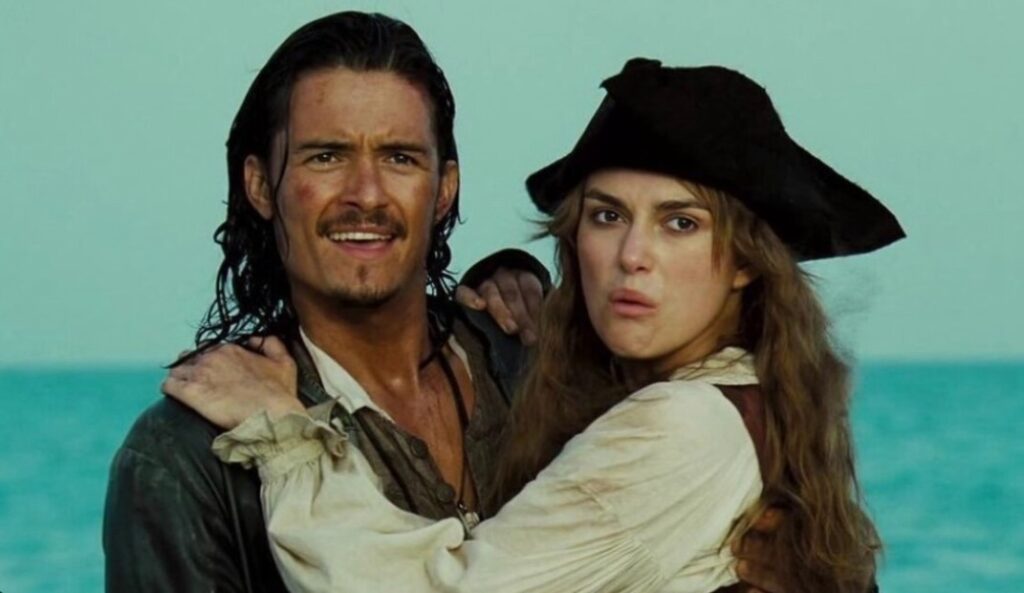
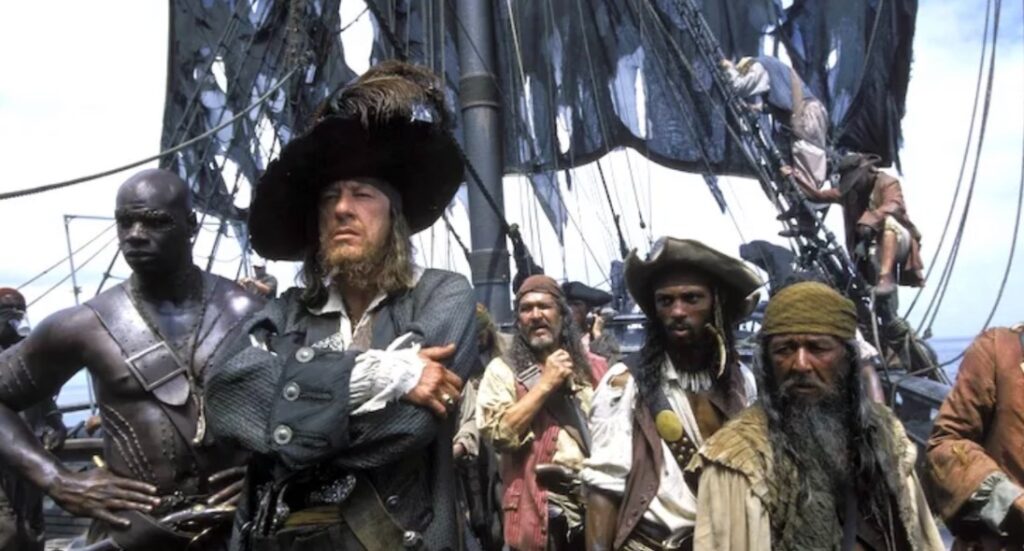
The story of the film reflects how seemingly overconfident outsiders often turn out to be the most talented, compelling, and pure-hearted individuals—people with the strength to stand for truth against a flawed system, whether they are sailors, pirates, ghosts, or subjects of the Crown.
A perfect time for a rewatch!
Read also:
“Django Unchained”: A Retrospective